Monday, February 11, 2013

Words of Wisdom from the Masters


Another clip from the 1977 UK TV show on Walt Disney.
Three of the Nine Old Men talk about various topics. 
Ward Kimball reflects on Walt's personality, Milt Kahl defends the character styling of Bambi, and Frank Thomas elaborates on squash and stretch.


Saturday, February 9, 2013

Milt Kahl's Black Cauldron


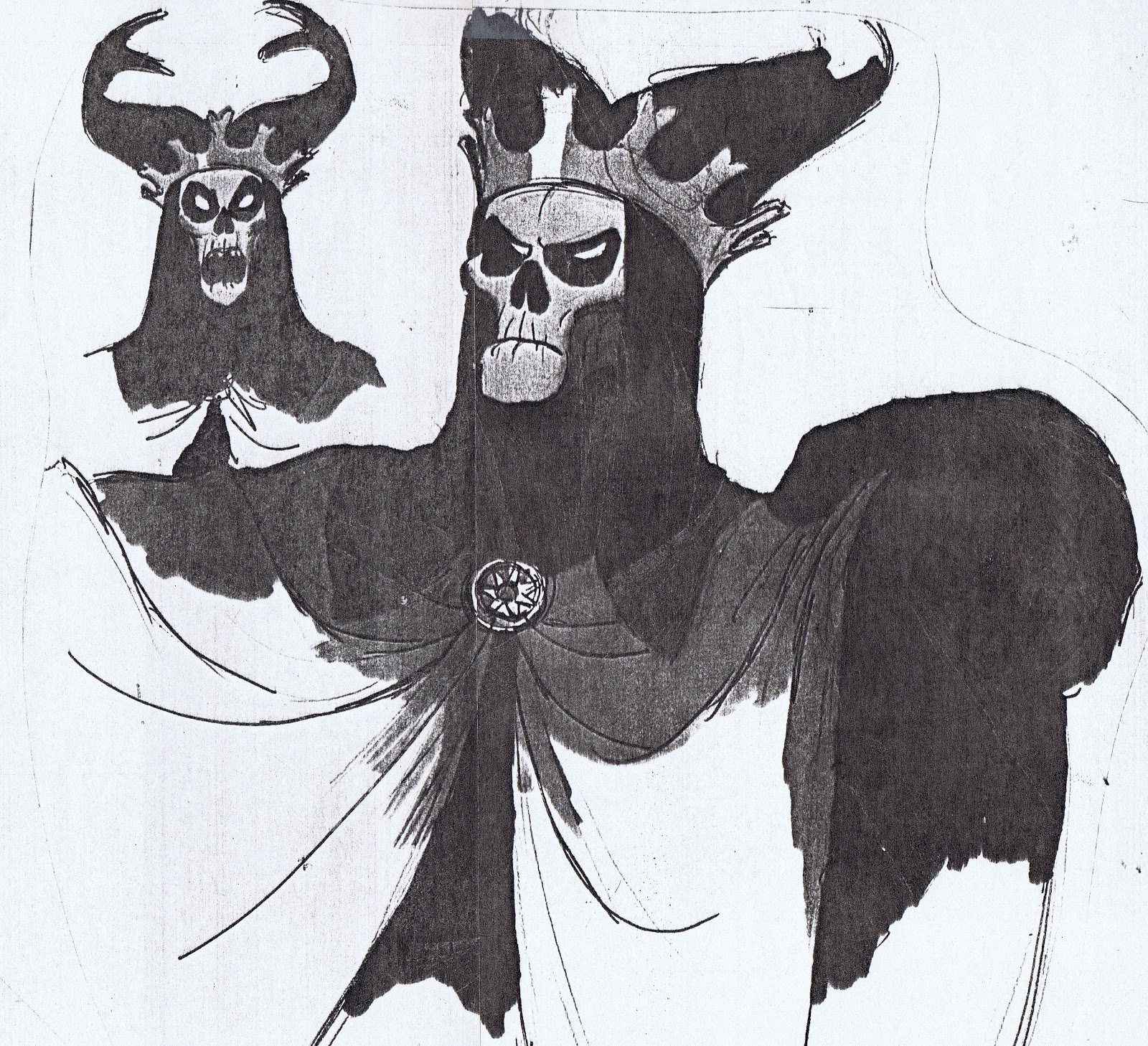
These are the last drawings Milt Kahl ever did for Disney.
He had already left the studio and moved to Marin County in Northern California.
The film The Fox and the Hound was being produced without any input from Kahl, but the management team that would head up the next animated project The Black Cauldron felt, it couldn't hurt to ask the old virtuoso to help out with a few character designs.
So they sent him the Lloyd Alexander books and told him that the movie would be based on story elements from these fantasy novels. Milt liked the material and went to work.

There is one problem with this scenario:
The studio neglected to also send along any rough design sketches that would stimulate Milt's imagination. When designing characters Milt had always relied on 
Vis Dev sketches from artists like Bill Peet, Ken Anderson, Tom Oreb and others.
Milt himself admitted that he sees himself more of a refiner when it comes to setting the look of Disney characters for a new film.
So by not having any fresh visual material in front of him, Milt couldn't help but recycle some of his own design elements from earlier movies. 

All of these are BEAUTIFUL drawings, but ...Taran looks like a mix of Peter Pan and Mowgli, Princess Eilonwy resembles Alice and Tigerlilly, and Fflewddur Fflam could be the brother of Roger from 101Dalmatians (Gurgi is a more interesting invention).
The costume designs lack spark as well. All of this would look so much more inspired, had the studio supplied Milt with inspirational sketches from Disney artists like Mel Shaw, Vance Gerry or Peet Young, who all worked on Cauldron. 


The Gwythaints are distant relatives of the vaultures from Jungle Book.


The Horned King should have been a menace like Fantasia's Chernabog.


The Witches of Morva are variations of Medusa and Madam Mim, gorgeously drawn though.


In the end our animation team did change some of these character concepts, except for Taran and Eilonwy. We were asked to basically use Milt's models, but we sure weren't ready to take on that kind of realism. 
It's fun though to think that Milt's career and mine overlapped just a little bit. And by the end of production of The Black Cauldron I felt like I had learned how to walk, and it was time to move on to new projects with a tiny bit of experience under my belt.

Thursday, February 7, 2013

The Other Genie


Most of you are familiar with the Genie from the movie Aladdin, superbly animated  by Eric Goldberg.
You might not know that there is another Genie, who came before, also superbly animated, this time  by John Lounsbery. In 1957 Walt Disney introduced an educational TV show called "Our Friend The Atom", which described the benefits of nuclear power - with a cautious but optimistic look toward the future.
The show is mostly live action, but it did feature a few animated segments. 
The discovery of atomic energy is compared to a fable, in which a fisherman finds a bottle. He opens it, and a giant Genie appears. 

Cliff Nordberg animated the fisherman, and as mentioned Lounsbery did the scenes with the Genie, this time portrayed in purple.
Below are a few key drawings (clean up over the roughs) from a scene where the Genie threatens the fisherman: "Know that presently thou will have to die!" 
At least that's what I think he says, it is a bit hard to understand from the DVD.

The drawing style of the animation is 50ies graphic, but Lounsbery is able to get a nice sense of scale and dimension in this up shot.


A couple of pages from the book Our Friend the Atom, which was published around the time of the TV show.


Tuesday, February 5, 2013

Frédéric Back


© Musee des Beaux-Arts de Montreal

Frédéric Back is one of the greatest artists of our time.
His drawings, paintings and his animated films are so full of humanity, it is quite humbling to look at this great man's life work. I had the chance to meet him at the opening of the the exhibition "Once upon a Time, Walt Disney" in 2007 in Montreal.
There have been many celebrations and tributes to his films including one at the Academy in LA, and more recently a major retrospective and exhibition opened in Japan.
Back has been nominated for an Academy Award numerous times, he won twice for his films Crac! in 1982 and The Man Who Planted Trees in 1987.
He said once: "There can be more to animation than entertainment." Personally I find his films not only entertaining, but they also enlighten and touch audiences in a profound way with themes that center around the preservation of the natural world. 
I highly recommend the 4 DVDs, The Man Who Planted Trees Deluxe Edition, which features many of his films. You can find it occasionally on Amazon or Ebay. 
Below are a few of Frédéric Back's magnificent animation illustrations published in the book version of The Man Who Planted Trees. 
If Marc Chagall had been an animator, this is what his films might have looked like.


© Frédéric Back/Les Enterprises Radio-Canada/Gallimard-Lacombe     

Saturday, February 2, 2013

Mathurin Méheut

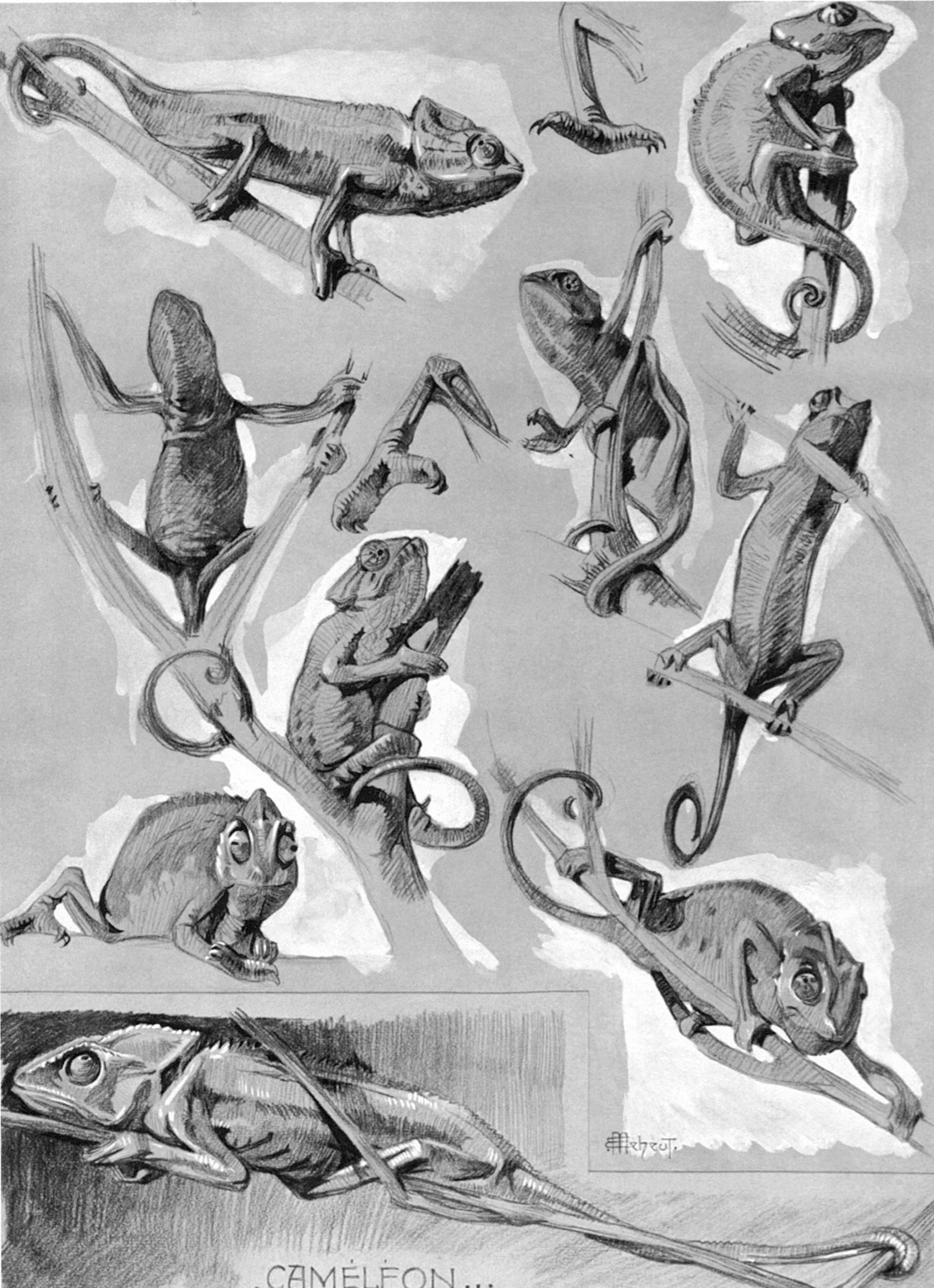
Mathurin Méheut (1882-1958) was a French painter, who became known for his drawings and paintings depicting everyday life in Brittany.
They are lovingly observed, and they communicate a feeling of being "of the moment" to the viewer.


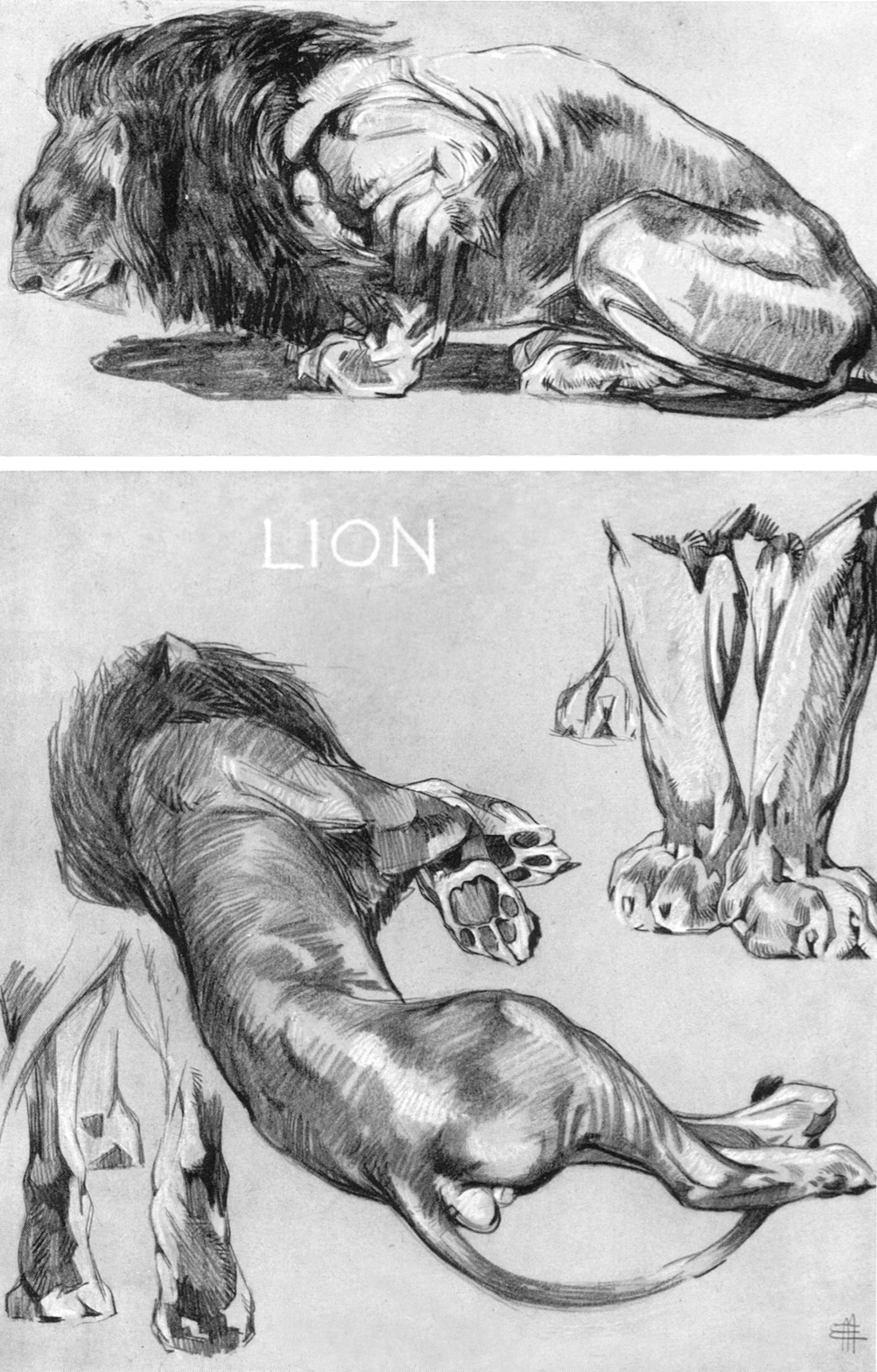
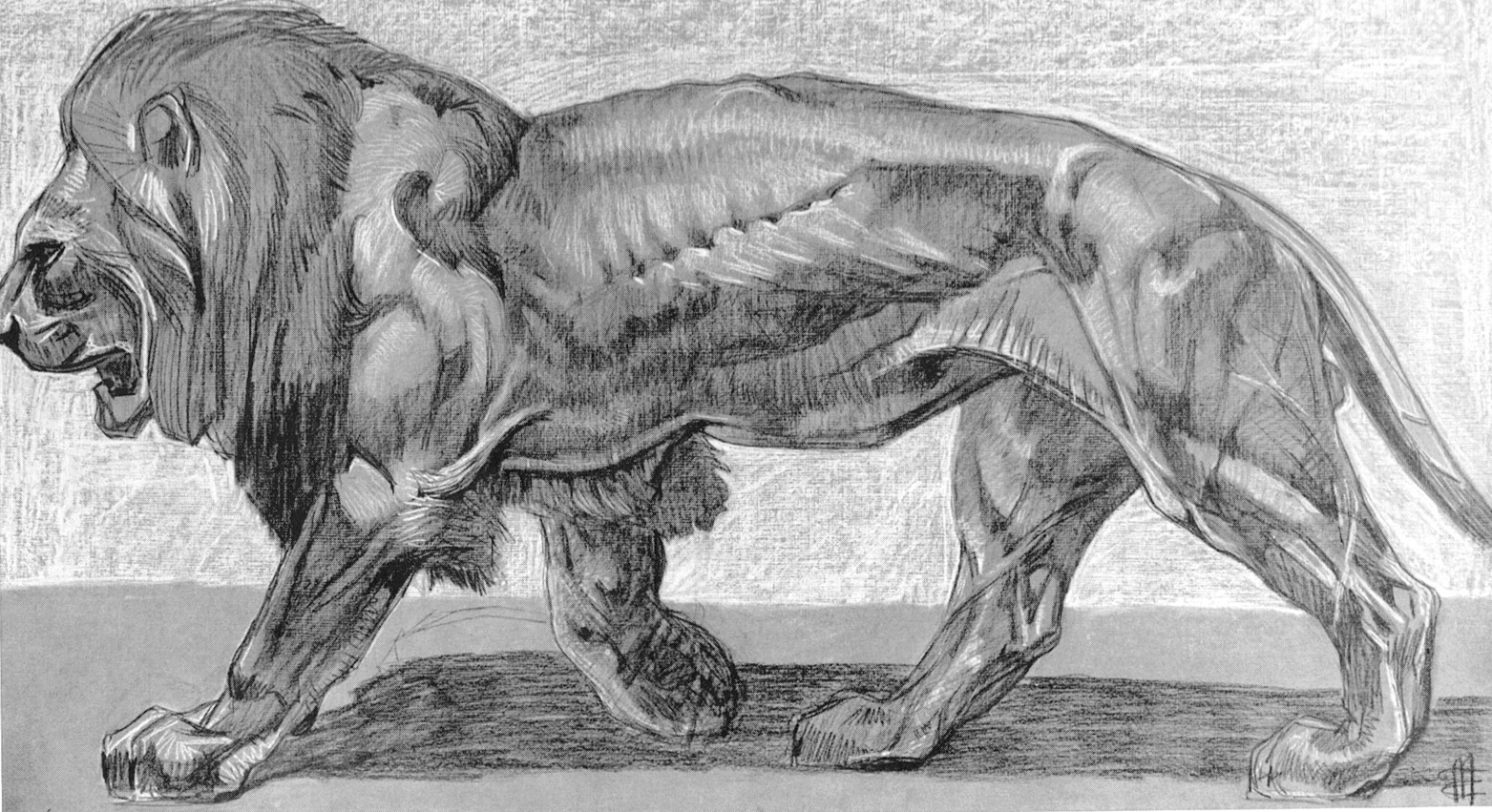
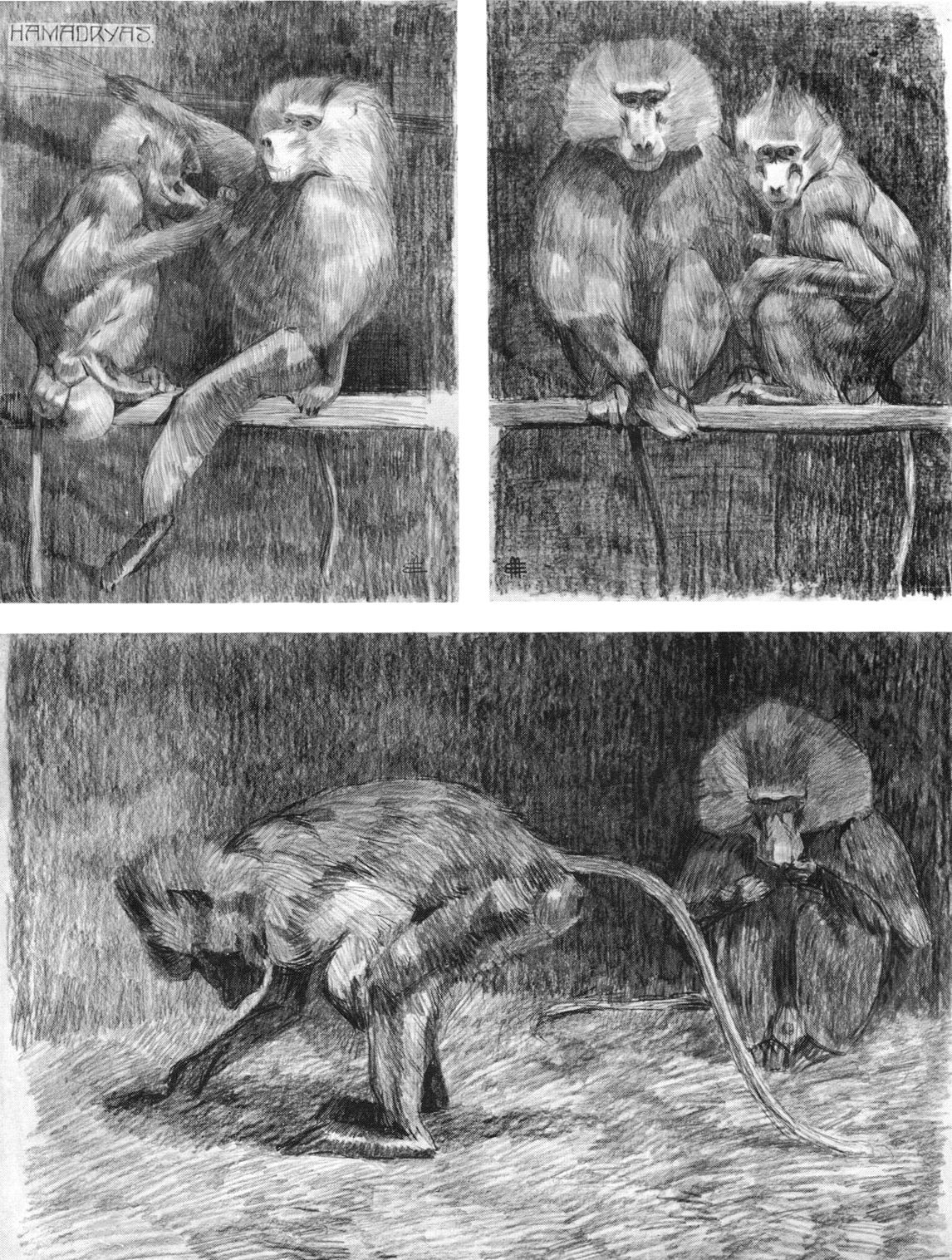
Méheut also loved drawing animals. I found a book with some of his animal studies a few years ago, and was very impressed with his skills as a draughtsman.
As you cash see in the following pages, his approach is very academic here, and he doesn't always get it right. The facial proportions in some of the tiger illustrations seem a bit odd to me, but the overall effect is that through Méheut's robust and solid sketches you somehow come closer to understanding the animal's anatomy.


Méheut also taught art at the École des Beaux-Arts de Rennes, and I believe that's where he met and had a big influence on one of his students, Frédéric Back, who is known for his stunning animated films like Crac!, The Man Who Planted Trees and The Mighty River. 
More on the amazing Mr. Back in the next post.