Sunday, August 10, 2014

Nessie


Working on short films has always been a fun but brief experience, and “The Ballad of Nessie” from 2011 was no exception. (For some reason it feels like only yesterday that we made the film.)
Each animator gets just a few scenes to animate, and the project is done. Nessie (under six minutes long) was animated by Ruben Aquino, Dale Baer, Randy Haycock, Mark Henn and myself.
Stevie Wermers-Skelton came up with film’s concept, and Kevin Deters joined her to co-direct.
We enjoyed working on simple, cartoony material again that was inspired by some of the Disney shorts from the 1950s. 
The color image above is a still from one of my scenes. 

A few of my exploratory sketches based on Stevie’s design.


This is a pre-production test scene I did which shows Nessie during a sad moment, all alone with her only friend MacQuack, a rubber duck.


Thursday, August 7, 2014

Milt's Tigger


Way back on the original Winnie The Pooh shorts, Tigger was the last character to be translated from a book illustration into an animation design. His transformation was more substantial than any of the other personalities. Luckily it was Milt Kahl who was in charge of Tigger’s final appearance in the Disney films. 
Illustrator Ernest H. Shepard’s original concept looked like this.


A cel from one of Milt’s scenes.


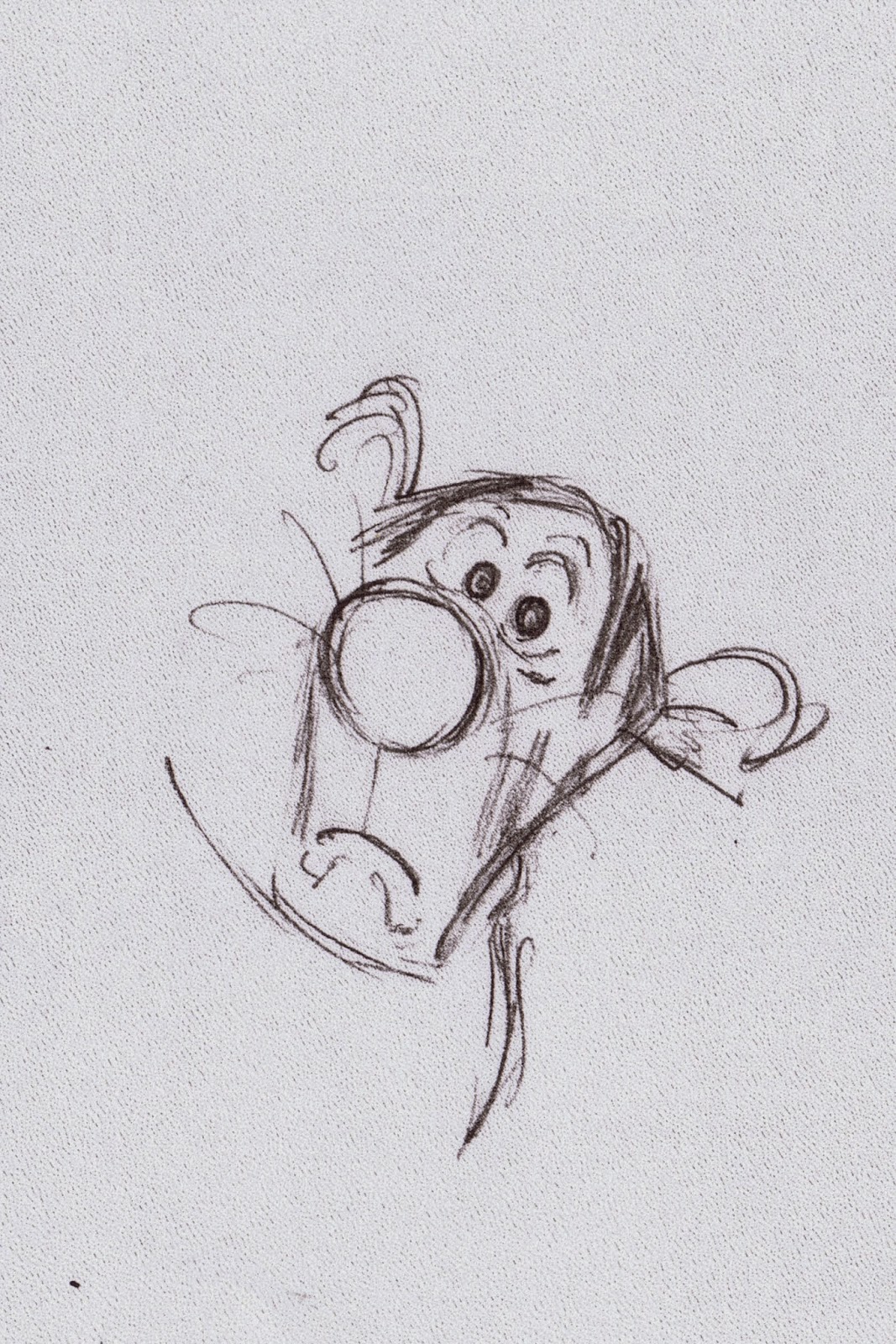
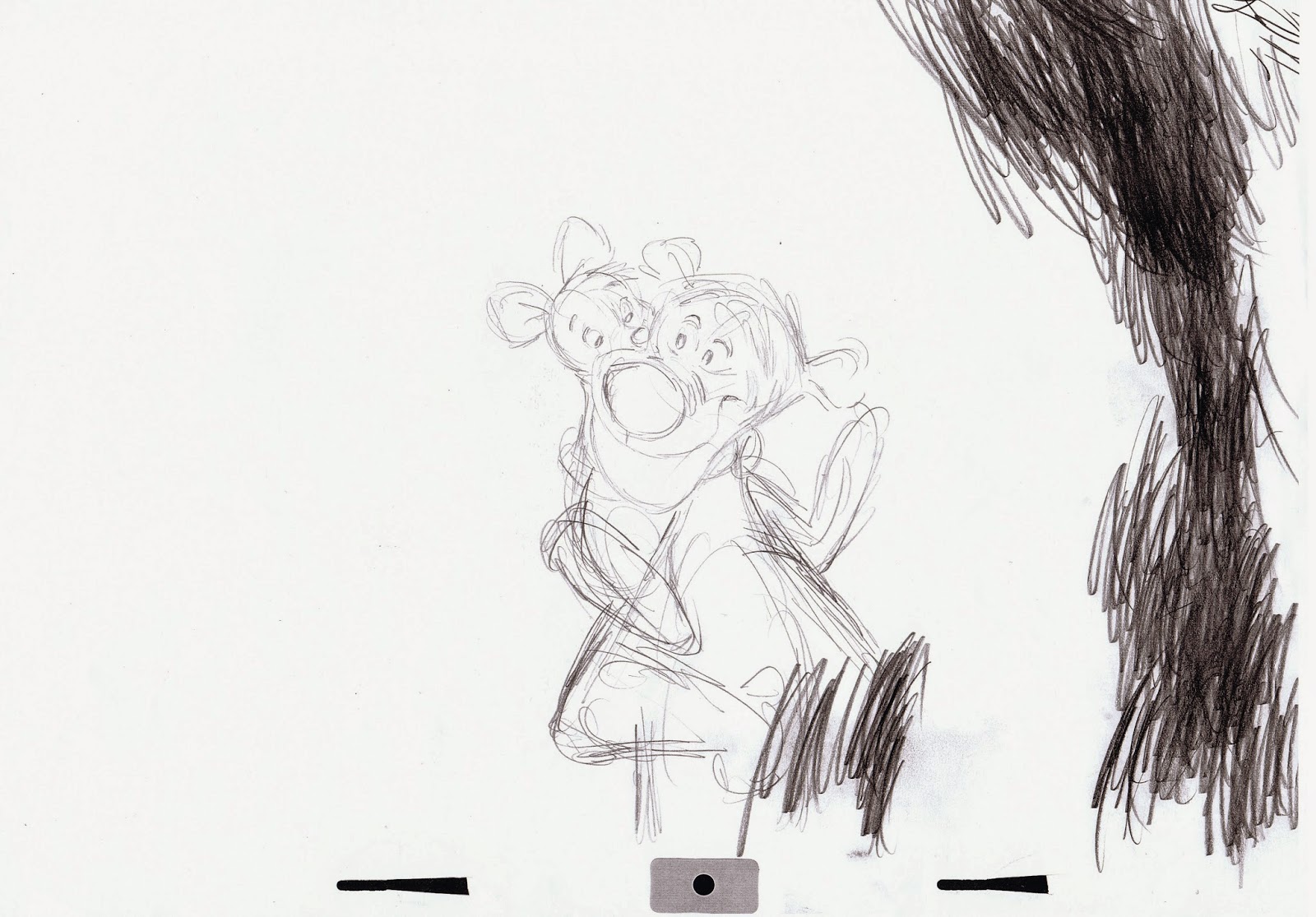
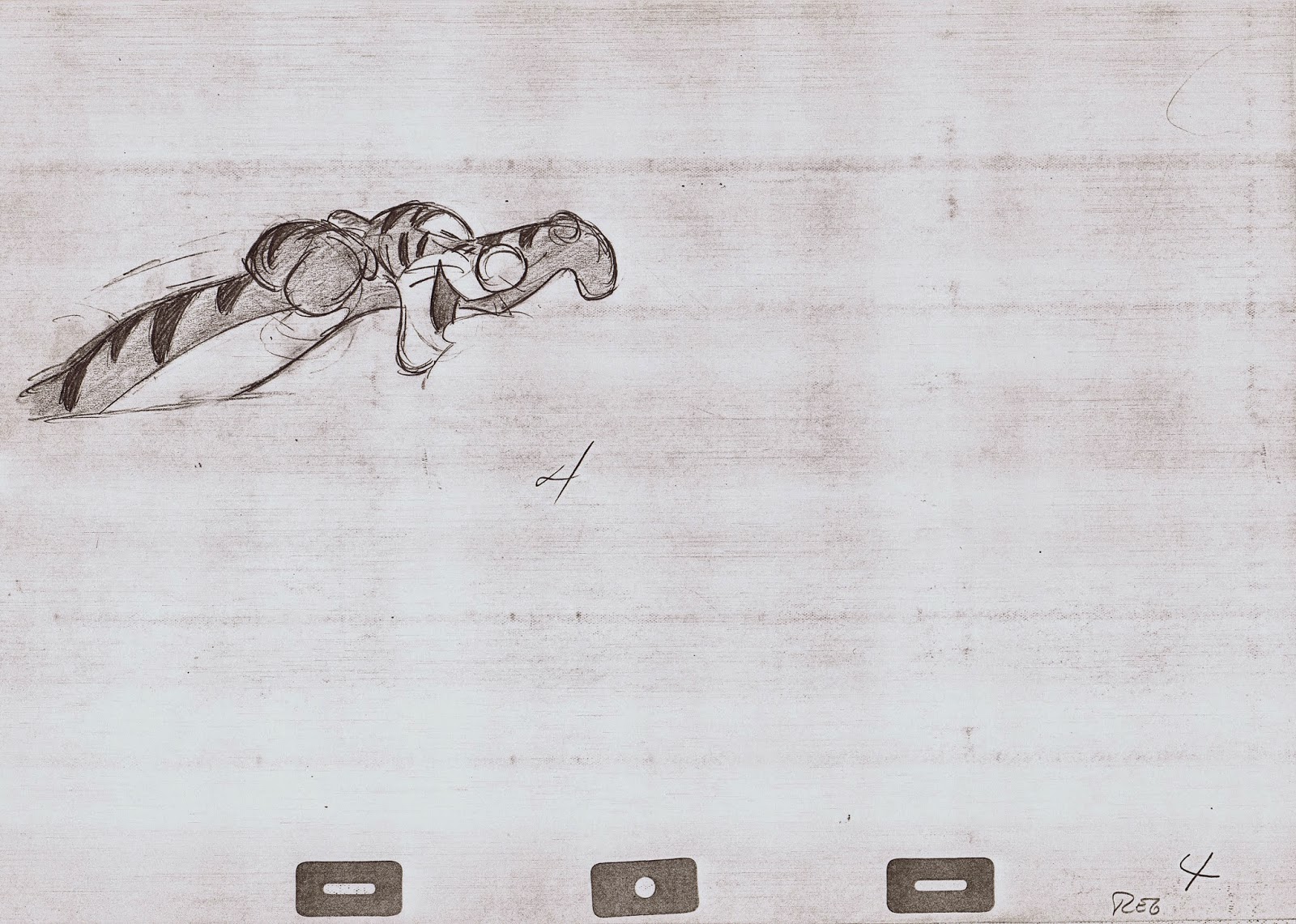
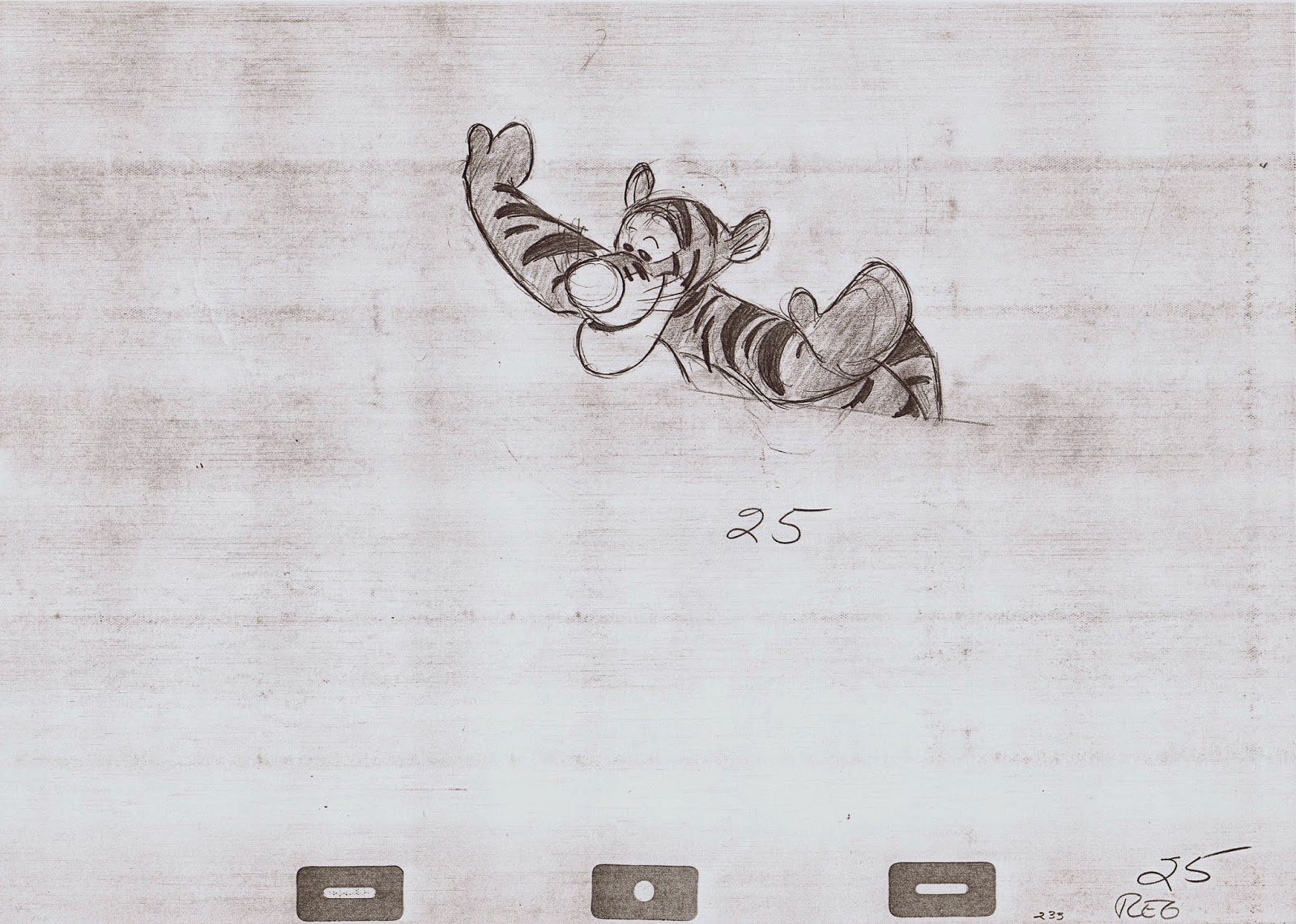
Milt just went to town with this assignment. Pooh and most of the other characters behave in subtle ways, and their acting is underplayed. Tigger adds a much needed contrast with Paul Winchell’s voice and Milt’s energetic, boisterous performances.
Here are a few of his original, first-pass roughs, which were tossed out because a pose or an expression needed to be altered. They are from a variety of scenes.


Shepard drew this charming sketch in which Tigger is contemplating about helping himself to some of Pooh’s honey.


Milt’s Tigger bursts into the scene and grabs a honey pot with a lot of gusto.
Just looking at these drawings in sequence makes me insanely happy!


Tuesday, August 5, 2014

Rien Poortvliet


In the US Dutch artist Rien Poortvliet is probably best known for his lavishly illustrated books on Gnomes.
But his real passion was to create paintings of everyday life on a farm, and sceneries depicting a hunter’s experiences. He loved the Dutch countryside, which he portrayed endless times in beautiful oil and watercolors.
Poortvliet was self-taught, he never attended any art classes. His goal was through observation to improve as an artist every day. As a young man he found jobs in the advertising world, but by the late 1960s he was able to make a living as an independent illustrator.
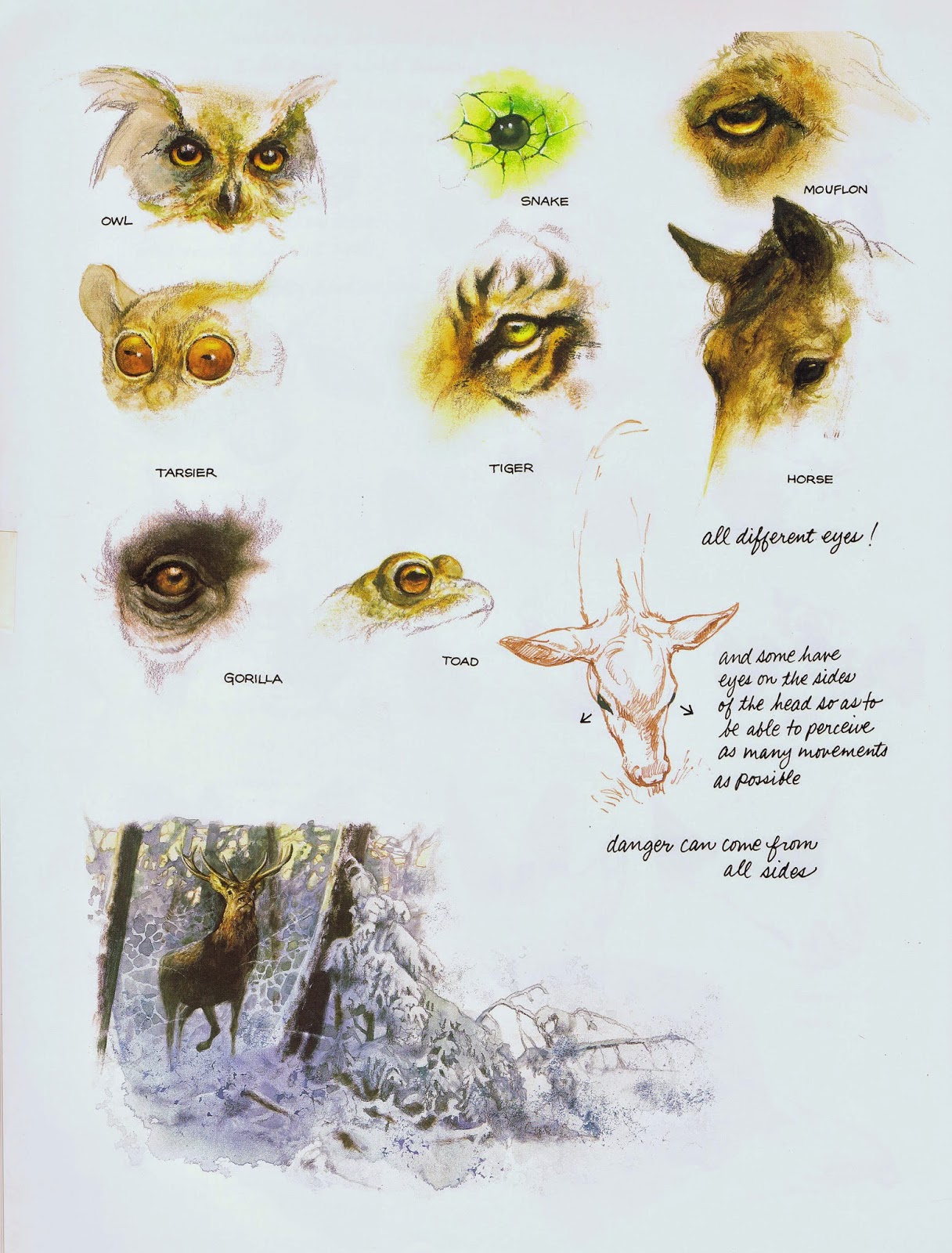
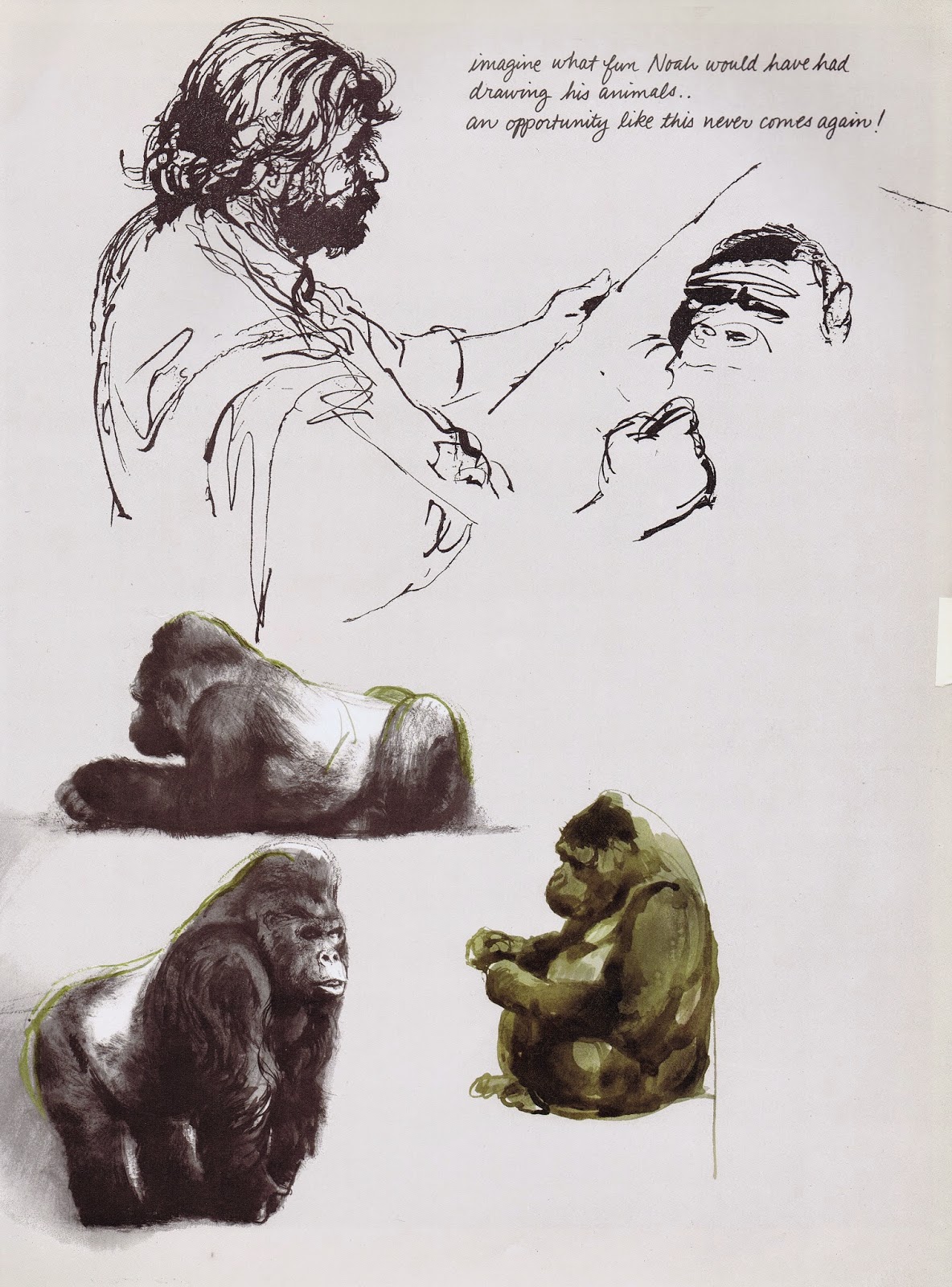
In 1992 his oversized book on the story of Noah’s Ark was published in the States. Here are a few studies of animals and landscapes from that edition.


© Abrams/Poortvliet

Rien Poortvliet died in Holland in 1995 at the age of only 63.
On the whole I would have to say that his work is occasionally a little too photorealistic for my taste, but I do admire his incredible technique and his love for painting and storytelling.

Here is a link to an informative interview, conducted in 1994 in his studio:


References for this post: Wikipedia

Sunday, August 3, 2014

Sculpted Drawings


Milt Kahl and some of his colleagues had a way of drawing and animating characters that seem to inhabit real space. Individual parts of the body connect organically, and there is a flow from one form into another. A full understanding of the character’s anatomy as well as perspective is the key to achieving this type of dimensionality. 
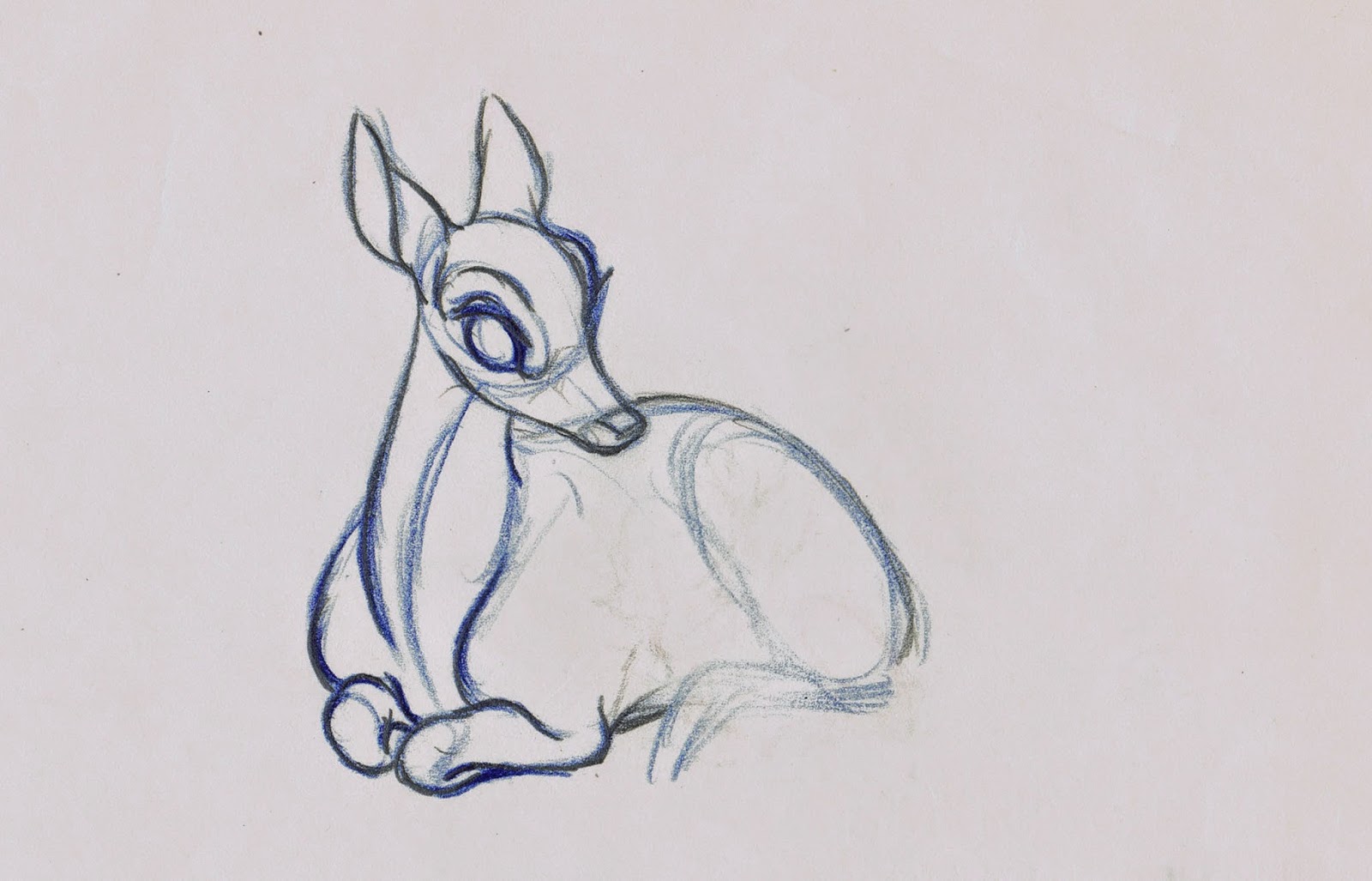
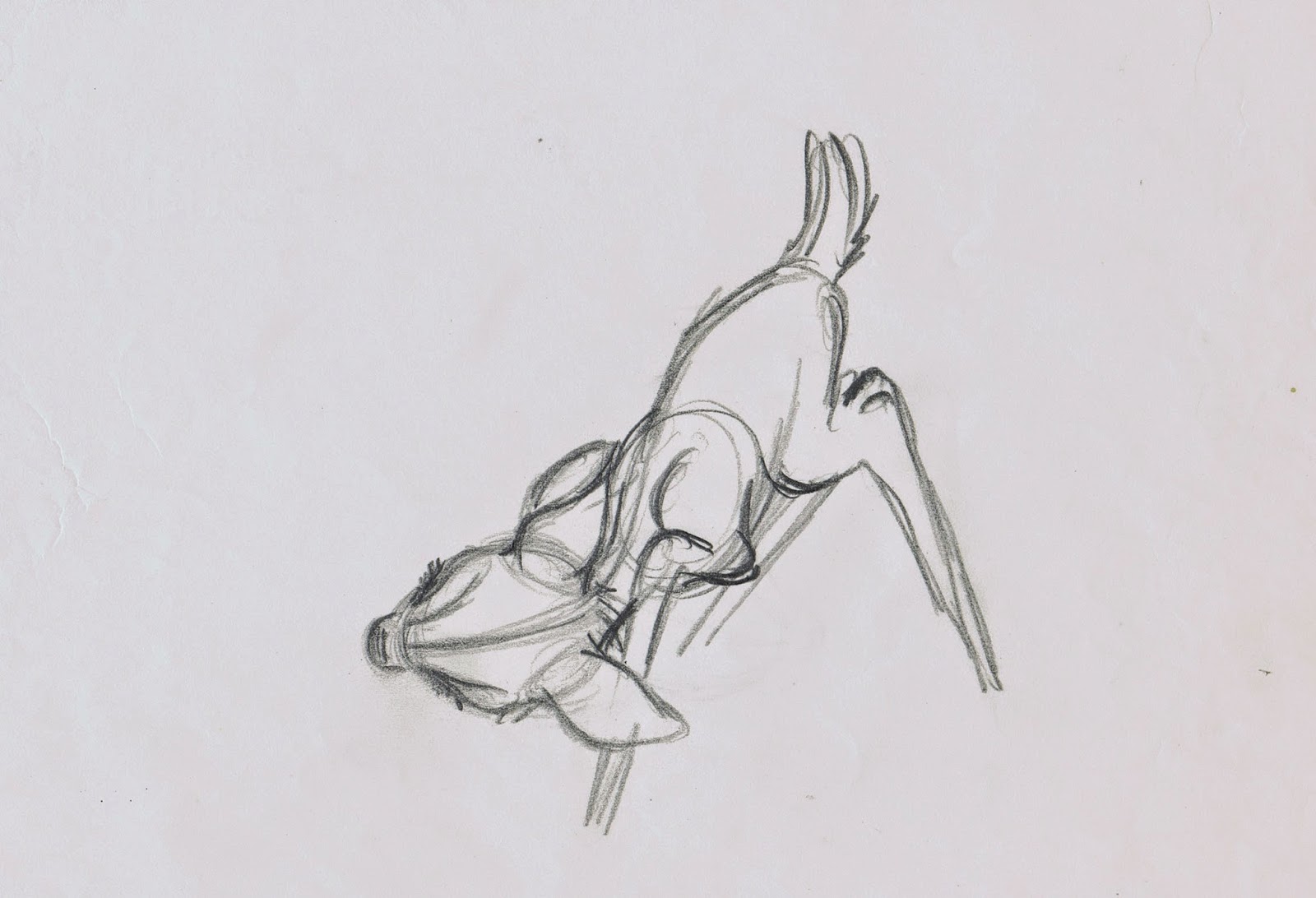
Rough drawings, like the one above, often indicate how the animator solved drawing problems. They also show where time was spent and effort put into carving out correct, believable and interesting poses. In this sketch Milt was concerned with Bambi’s head in a down position, and how it connects to the body. Fascinating brain work.

Lady’s head is a pretty complex arrangement of basic and very subtle volumes. Her eyebrows sit on dimensional and flexible muscle parts, and her eyelids and lashes overlap the eyeballs. Every line is put down to give a three dimensional appearance.


This 3/4 back view could look awkward or boring, but by figuring out the correct angle with all its subtleties it comes off as a beautiful drawing. 


Volumes in motion. What great rhythm from one form into another.


A potentially complicated pose reads very easily instead. The arrangement of Bambi’s mother’s front legs could present an elaborate anatomical study, but Milt found the simplest solution to make it look natural and elegant.


This doodle sheet shows great understanding of deer like, balanced poses.


It looks like Bambi just  caught his balance in this awkward, but beautifully designed figure.
You can almost see the wobbly steps that would have preceded this pose.


Any twist in the overall body or head turn is helped by the indication of the center line, from tail to nose. 


After animating in this rounded, sculpted style for a couple of decades, Milt and several others in the animation staff were ready for a change. Films like Sleeping Beauty and 101 Dalmatians had the animators focus on line and shape to achieve a much more graphic representation of their characters.